
You think about the products you put on your skin every day. But how often do you think about the water you’re showering in every day?
From cleansers and serums to moisturisers and masks, we invest so much time and money into our skincare routines. But before any of those products touch your skin, your skin has already spent time under your shower water.
Chlorine is commonly used in Australia to treat water, helping to make it safe to drink and use within your home. While chlorine plays an essential role in our water supply, repeated exposure to chlorinated water may contribute to dry, irritated or tight-feeling skin for some people. These effects may be more noticeable if your skin is already dry or sensitive.
How can chlorine affect your skin?
Your skin has a natural protective barrier that helps retain moisture and protect it from the outside environment. Your daily shower routine can have an impact on this barrier, particularly when you're taking long or hot showers.
Regular exposure to chlorinated water may contribute to a drying effect for some people, potentially leaving your skin feeling:
-
Dry or tight after showering
-
More sensitive than usual
-
Itchy or irritated
-
Rough or uncomfortable
-
Like you need to moisturise immediately after showering
The effects won't be the same for everyone. There are many factors that can influence how your skin feels after showering, including your local water quality, shower temperature, how long you shower for and your individual skin type.
It's not just about your skincare products
If you're investing in expensive cleansers, serums and moisturisers but your skin still feels dry as soon as you get out of the shower, maybe it's time to consider the water you're showering in too.
Your skincare routine shouldn't necessarily begin when you reach for your cleanser. It can start from the moment you turn your shower on.
Reducing your exposure to chlorine may help reduce the drying effects associated with chlorinated water, while following your shower with a good moisturiser can help support your skin's natural moisture levels.
Start with your shower water
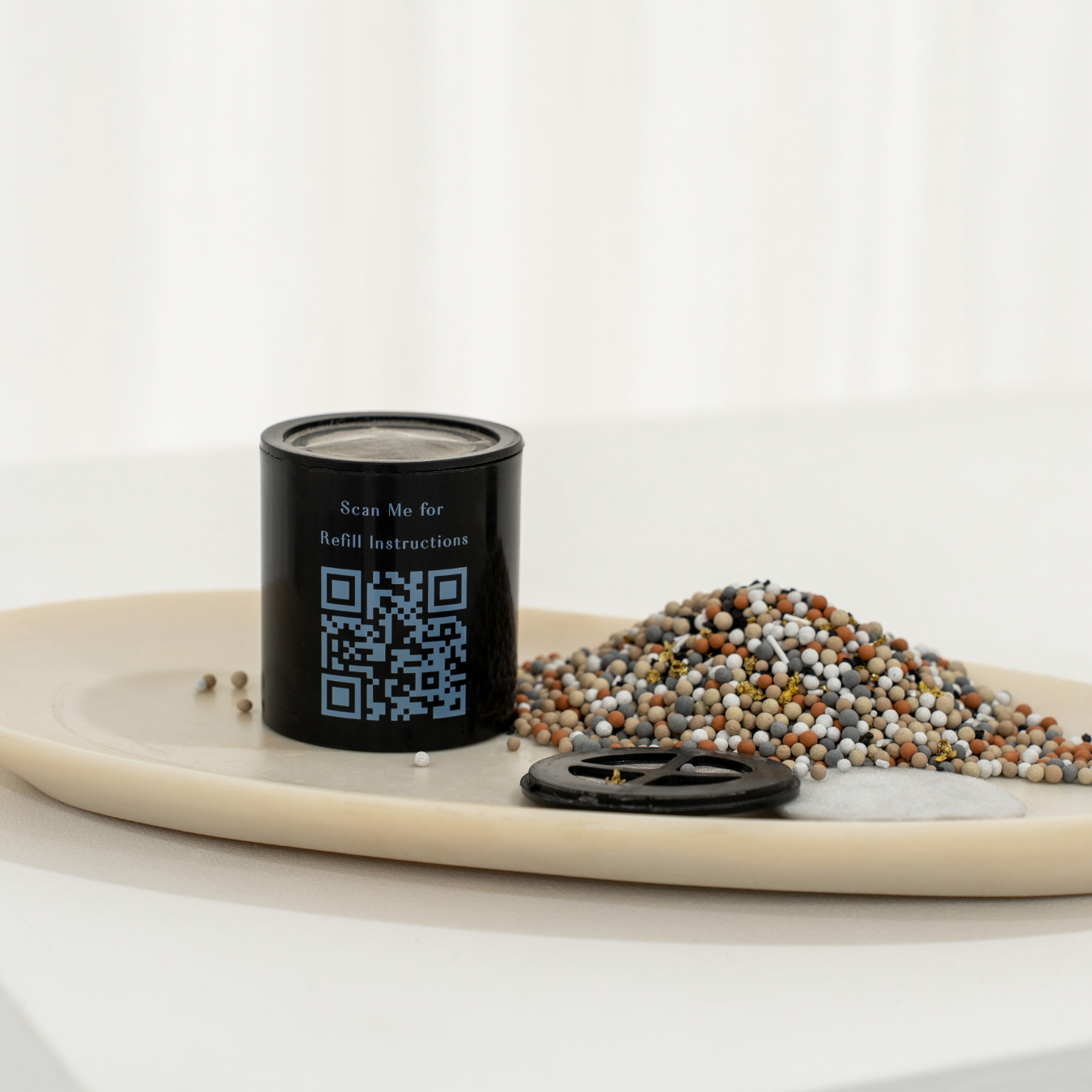
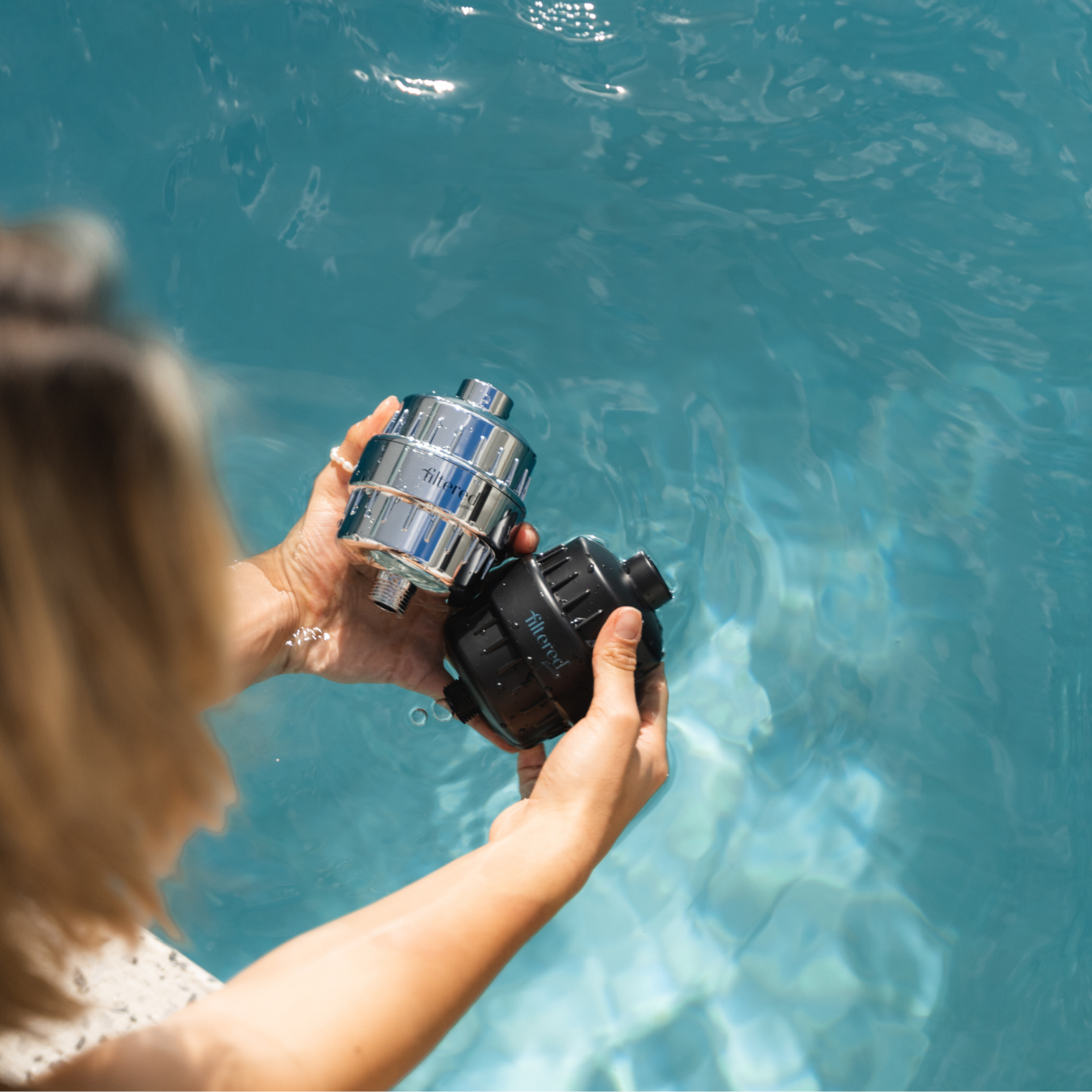
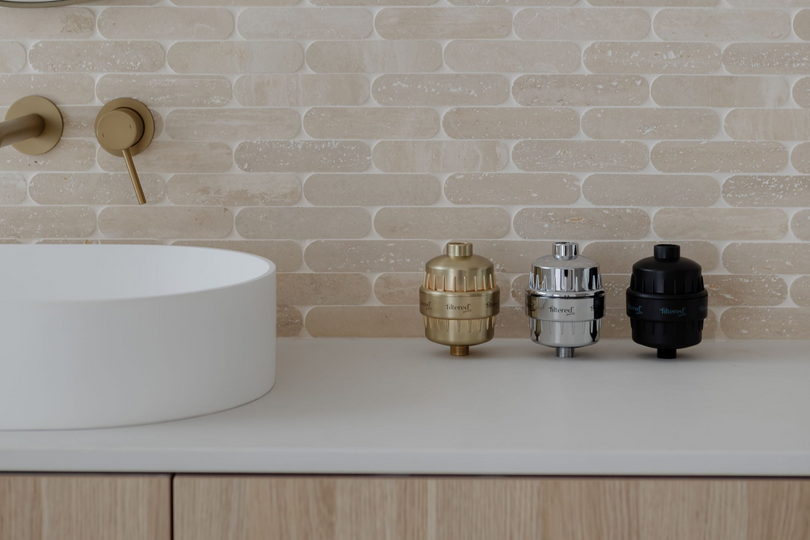
The Filtered Beauty Shower Purifier is designed and laboratory tested to remove chlorine and reduce other common water contaminants before they reach your hair and skin.